|
Updated: February 12, 2010
|
World Heritage and Cape York
Both the Queensland state Government and the Federal Government have committed to World Heritage listing for Cape York Peninsula.

- Termite mounds, Cape York Peninsula. Photo: Kerry Trapnell
In mid 2007 the Queensland Government set up the path to World Heritage listing of Cape York with the creation of the Cape York Peninsula Heritage Act. The Act resolved a number of issues around conservation and appropriate development of Cape York. Read more about this initiative >>
At the 2007 Federal election, the Rudd Labor Government promised to: “work with the Queensland Government and traditional owners to pursue World Heritage listing for appropriate areas of Cape York, recognising the importance of Commonwealth leadership and the consent of traditional owners.”
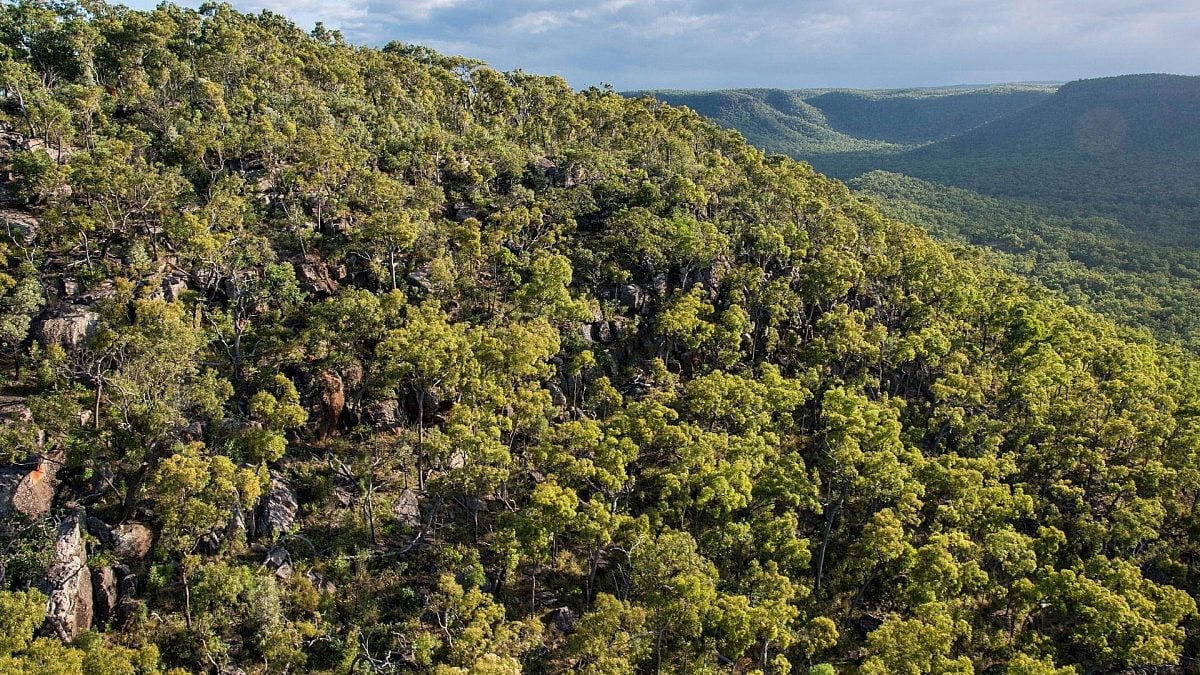
If the whole of Cape York Peninsula was listed as World Heritage, it would become the largest land-based World Heritage Area on the planet. Combined with the Great Barrier Reef and the Wet Tropics (Daintree) World Heritage Areas, it would be one of the wonders of the world.
Why World Heritage?
The answer is simple - because it provides the best protection nature and culture can receive.
The World Heritage Convention is an international agreement, ratified by the United Nations which aims to identify and protect the best places on earth.
Created in 1972 the list includes 830 places including things as unique and diverse as the wilds of East Africa’s Serengeti, the Pyramids of Egypt, the Great Wall of China and the glaciers of Alaska.
Cape York should be on this list. It is one of the last great wild places on earth. In 1982 the International Union for the Conservation of Nature (IUCN), the body which advises the World Heritage bureau on World Heritage nominations, produced a list of the 219 natural sites worldwide deserving World Heritage protection. Reflecting the richness of Australia’s natural beauty and heritage 13 sites were identified in Australia including Cape York. More than 25 years later, our opportunity to give Cape York the world’s highest recognition and protection is now.
Selection Criteria for World Heritage Sites
There are 10 selection criteria for World Heritage sites. Six of the ten are cultural, four are natural. To qualify for World Heritage a site must meet at least one of the ten criteria.
Cape York fulfils all four of the natural criteria. The strong connection between the land and the ancient culture of the Cape’s Traditional Owners make Cape York a perfect example of the World Heritage Treaty’s Cultural Landscapes category for protection. The Australian Government is committed to pursuing World Heritage protection for Cape York’s natural and cultural values.
The four natural World Heritage criteria are:
- to contain superlative natural phenomena or areas of exceptional natural beauty and aesthetic importance;
- to be outstanding examples representing major stages of earth's history, including the record of life, significant on-going geological processes in the development of landforms, or significant geomorphic or physiographic features;
- to be outstanding examples representing significant on-going ecological and biological processes in the evolution and development of terrestrial, fresh water, coastal and marine ecosystems and communities of plants and animals;
- to contain the most important and significant natural habitats for in-situ conservation of biological diversity, including those containing threatened species of outstanding universal value from the point of view of science or conservation.
Click here for more on World Heritage Criteria >>
In 2006 the Queensland government commissioned World Heritage expert, Assoc Professor Peter Valentine from James Cook University to write a report on World Heritage and Cape York Peninsula. He identified Cape York’s World Heritage values and discussed options for proceeding with a nomination. Read this report here>>
What World Heritage Listing Would Deliver for Cape York
1. Protection from destruction
In a little over 200 years, Australia has made a mess of the environment in the southern states. Water shortages, land degradation and species loss dominate headlines. The Murray Darling Basin is the most glaring example of what has happened when development inherited from the northern hemisphere is used on our fragile continent.
With water becoming a major concern, northern Australia is once again the focus of calls for destructive development. Along with mining, the damming of rivers for irrigated agriculture looms as a devastating threat to the future of the Cape.
World Heritage listing would provide protection for the Cape as well as the chance to do things differently than in the south. World Heritage will provide opportunities to protect Cape York while building a new sustainable economic model that works with the land rather than against it.
'There are lessons to be learnt from indigenous land use which did not involve large scale clearing and was based on more integrated notions of the relationship between nature and society. Cape York Peninsula presents an unique opportunity to work with instead of against nature.'
- Natural Heritage Significance of Cape York Peninsula (Queensland State Government 2001)
2. High level but flexible protection
World Heritage listing provides an umbrella of management which protects the natural values of a place across a wide range of land tenures. World Heritage does not mean locking up an area and throwing away the key – it is a flexible regime that recognizes that some places need rigorous protection such as offered by National Parks while other lands are used for economic purposes such as ecologically sustainable cattle grazing. World Heritage also recognizes that Cape York has been used and managed by indigenous people for many thousands of years. World Heritage celebrates and supports indigenous land management and use.
World Heritage protection ensures that all these different types of land uses are conducted in ways that protect the World Heritage values – that is they are compatible with the ecology. World Heritage listing would provide rational planning across the region including core areas of high level protection as well as zones for other activities.
3. Recognition
Cape York is an internationally significant jewel right here on our doorstep. It is important for Australia to recognize and celebrate it. World Heritage protection would provide recognition both nationally and internationally and would be a source of pride for all Australians.
The recognition that World Heritage provides would generate international interest in the Cape generating economic activity such as eco and cultural tourism as well as global concern to ensure it is protected for all time.
4. Resources to look after the place
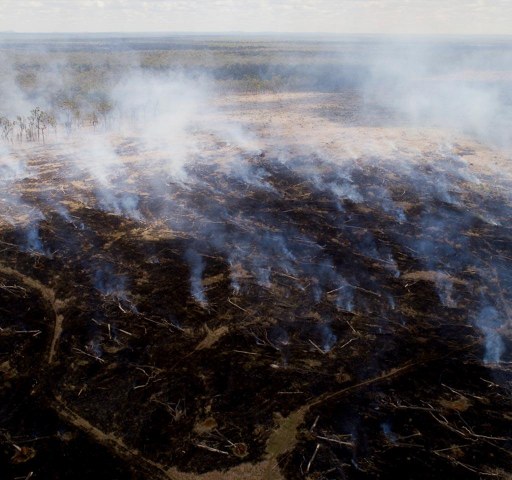
One of the obligations that goes with World Heritage listing is that the country which is custodian of the place must ensure it is protected in the interests of the entire globe. World Heritage listing would ensure that both state and Federal governments must provide adequate funding to ensure management of the Cape. Currently funding is hopelessly inadequate and problems such as pigs and poor fire management continue unabated.
Weeds and ferals are major threats to the Cape and constant funding is necessary to keep them under control. Traditional fire regimes also need to be funded. Communities living on the Cape could benefit from this.
5. Jobs for local communities
International recognition could drive the growth of a locally run and managed tourism industry. Funding for land management could ensure that jobs are generated in local communities that use already existing skills in looking after country. Cape York is an economically disadvantaged part of Australia so World Heritage listing could help deliver the dual goals of protecting the unique natural treasure of Cape York while also developing a conservation economy.
For more information, please contact:
Cape York World Heritage Campaigner
The Wilderness Society Qld Inc - Brisbane
67 Boundary Street (upstairs)
West End, QLD, 4101
Phone: 07 3846 1420