You are here: Home Campaigns Cape York Peninsula Indigenous Conservation on Cape York
Email to friend Print this page
Updated: June 10, 2011
Regions:
Queensland

Advice: Aboriginal and Torres Strait Islander viewers are advised that this website may contain images, names and voices of people who have died.

Cape York Peninsula’s Indigenous Conservation Estate

remote-water-fall-nth-cyp300.jpg
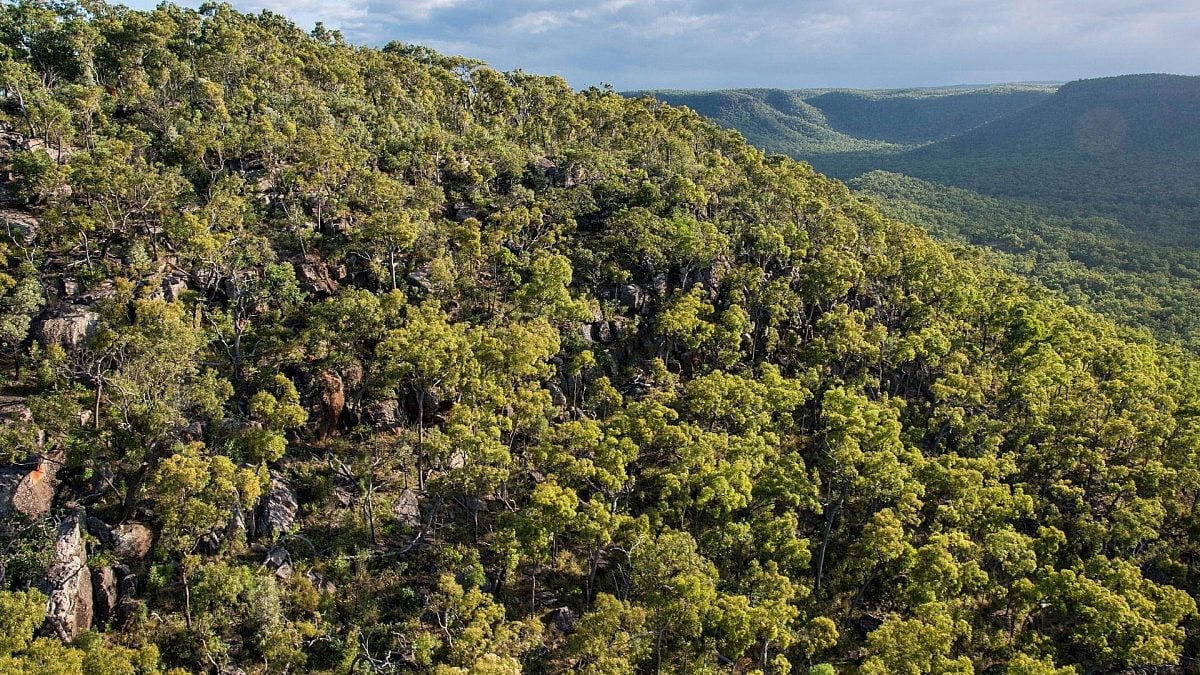
Remote Waterfall, Northern Cape York Peninsula. Photo: Kerry Trapnell

Taking a WildCountry “big picture” approach to conservation, The Wilderness Society is supporting the development of a globally recognised Indigenous Conservation Estate on Cape York Peninsula.

Key elements of a Indigenous Conservation Estate include; co-managed, Aboriginal-owned National Parks, conservation agreements on Aboriginal land, the creation of new Indigenous Protected Areas, and  providing resources and support for ‘off reserve’ land management (such as managed wild river catchments).

A visionary ‘Indigenous Conservation Estate’ of global significance is in formation. Indigenous people own and manage approximately 25% of Cape York Peninsula and comprise more than half the population of the region.

Millions of hectares of the Cape are being returned to traditional owners through Aboriginal title and/or, Indigenous Land Use Agreements, creating a mosaic of parks and reserves, protected areas, conservation-managed lands and rivers, and Aboriginal clan estates. 

The eventual creation of this Indigenous Conservation Estate on Cape York will be a testament to the enduring Indigenous values of Cape York and is a project of global importance. With the consent and support of Traditional Owners it will lay the foundations for the eventual creation of one of the world’s largest World Heritage areas, and it will make a significant contribution to sustainable economic options for living and working on country.

Anthony Esposito TWS David Claudie Chuulangun
Anthony Esposito (The Wilderness Society) and David Claudie (Chuulangun)

Working together for Homelands Development and Environmental Protection

Over the last 20 years, The Wilderness Society has worked with Traditional Owners and Indigenous representative organisations, the government and other landholders to develop a positive future for this region of exceptional natural and cultural value.

Recently, we have developed a new style of cooperative agreement to enable and empower The Wilderness Society and Traditional Owner groups / Indigenous organisations to work together for the dual purposes of environmental protection and homelands development.

Our first cooperative agreement is the Chuulangun Aboriginal Corporation (CAC) – The Wilderness Society Cooperation Agreement, 2005, which focuses on the Northern Kaanju homelands of central Cape York.  Since 2005 we have developed a number of cooperative agreements around Australia as a part of our National Indigenous Conservation Program.

Drawing on our combined strengths in caring for country and conservation, western science and Indigenous knowledge, advocacy and negotiation, public outreach and education we are already achieving results.

Helping Achieve Aspirations

The Wilderness Society has:

  • worked with the Wuthathi Traditional Owners to protect their homelands, support the development of a community conservation plan and stop sand mining proposals in the stunning white sand country of Shelburne Bay
  • worked with the Guugu-Yimidhirr Traditional Owners to successfully secure the protection of their homelands at Starcke with the return of homelands and the creation of the Starcke National Park.
  • worked with traditional owners to achieve the Kalpowar agreement, which in December 2005 returned 200,000 hectares of land just East of Lakefield National Park to traditional owners, creating protected areas under conservation agreements and created the first new National Park in Cape York for 10 years – the 200,000 hectare Jack River National Park

On top of this, in 2006 and 2007 we welcomed the Queensland Government’s announcement of a package of measures to protect the natural and cultural values of the Cape, a fantastic outcome from our advocacy efforts.

The package includes:

  • an Indigenous economic and employment package, including:
    - Confirmation of up to 100 Indigenous Wild River Rangers to care for wild river catchments – one of the largest and most sustainable job creation projects on the Cape
    - Support for Indigenous arts and cultural enterprises and
    - Support for Indigenous tourism enterprises
  • a commitment for a further $15 million towards voluntary acquisition of lands for the purpose of creating new protected areas and the return of lands to its Traditional Owners. Over the last decade, nearly 2 million hectares of land have been purchased for this purpose and a breakthrough came in 2007 with the creation of a clear timeline for the resolution of tenure and management for these lands.
  • the passing of the Cape York Peninsula Heritage Act 2007, which aims to protect the internationally significant natural and cultural values of the Cape whilst supporting people to develop sustainable futures. This legislation included the creation of a new form of National Park called Cape York Peninsula (Aboriginal Land) to be jointly managed with the Queensland Government – this is a first for Queensland and a major milestone in the campaign.
  • formal recognition of Native Title rights and responsibilities in the Wild Rivers Act 2005.

And just this year, a number of exciting initiatives have come to fruition:

  • In June, 2008 Cape York’s first Indigenous Protected Area was declared by our cooperative partners, the Northern Kaanju Traditional Owners.  The Kaanju Ngaachi (Wenlock and Pascoe Rivers) Indigenous Protected Area (IPA) covering some 200,000 hectares of savanna, rainforest, wetland and sandridge country in central Cape York, is just the first step towards the Northern Kaanju peoples aspirations for an IPA over all of their homelands (up to 1 million hectares).
  • In July of 2008 the handover of Lilyvale and Running Creek lands to the Lamalama people will take place and the Lamalama National Park will be created. This is the first Aboriginal-owned and co-managed National Park in Cape York Peninsula. This conversion will help protect the habitat of the endangered Red Goshawk, recently threatened by proposed logging operations.
  • And, there have been contracts drawn up for up to 19 Wild River Rangers in the Cape and the Gulf, some of whom have already started work on the ground helping protect some of the most magnificent rivers in Australia.

Our commitment to the future

The Wilderness Society has a national commitment to support Traditional Owners achieve their aspirations for environmental protection, sustainable livelihoods and homelands development.

As a part of our commitment, we will continue our work with the Traditional Owners in Cape York to help them achieve their aspirations by advocating together to bring real and sustainable jobs, infrastructure, equipment and resources.

The Indigenous Conservation Estate will provide sustainable livelihoods on ancestral homelands, real returns to the regional economy and ensure the maintenance of healthy country. This will contribute significantly to both Cape York’s natural competitive advantage and the environmental, social, cultural and economic wealth of Australia.

Links:

The Wilderness Society’s Indigenous Rights Policy

More about The Wilderness Society’s work with communities in Cape York (pdf 0.1mb)

The Chuulangun Aboriginal Corporation (CAC) – The Wilderness Society Cooperation Agreement, 2005

Kaanju Ngaachi (Wenlock and Pascoe Rivers) Indigenous Protected Area

The Indigenous Protected Areas program - 2006 Evaluation

Working for environmental protection and homelands development


For more information, please contact:

Queensland WildCountry (Cape York) Campaigner

For more information, please contact:

National Indigenous Program Manager

The Wilderness Society Inc

GPO Box 716, Hobart TAS 7001, Australia
Phone: (03) 6270 1701 | Fax: (03) 6231 6533 | Email: info@wilderness.org.au
Membership enquiries, donations: Freecall 1800 030 641 | Email: members@wilderness.org.au
ABN: 62 007 508 349

Document Actions
 
Log in