You are here: Home Campaigns Climate Change Copenhagen wrap - Zero commitment, Not good enough
Email to friend Print this page
Updated: December 20, 2009
Campaigns:
Climate Change
Forests

Copenhagen wrap - Zero commitment, Not good enough

The Wilderness Society Archive - This page is over one year old. Links and content may no longer be accurate.

US President Obama said it was both an “imperfect framework” and “an unprecedented breakthrough” but one thing is for certain: any global climate agreement needs to protect the world’s forests.

copenhagen-2009-sean-and-virginia-300.jpg
The Wilderness Society's Sean Cadman and Virginia Young at the Copenhagen climate talks - Decemeber 2009. Photo: The Wilderness Society Collection

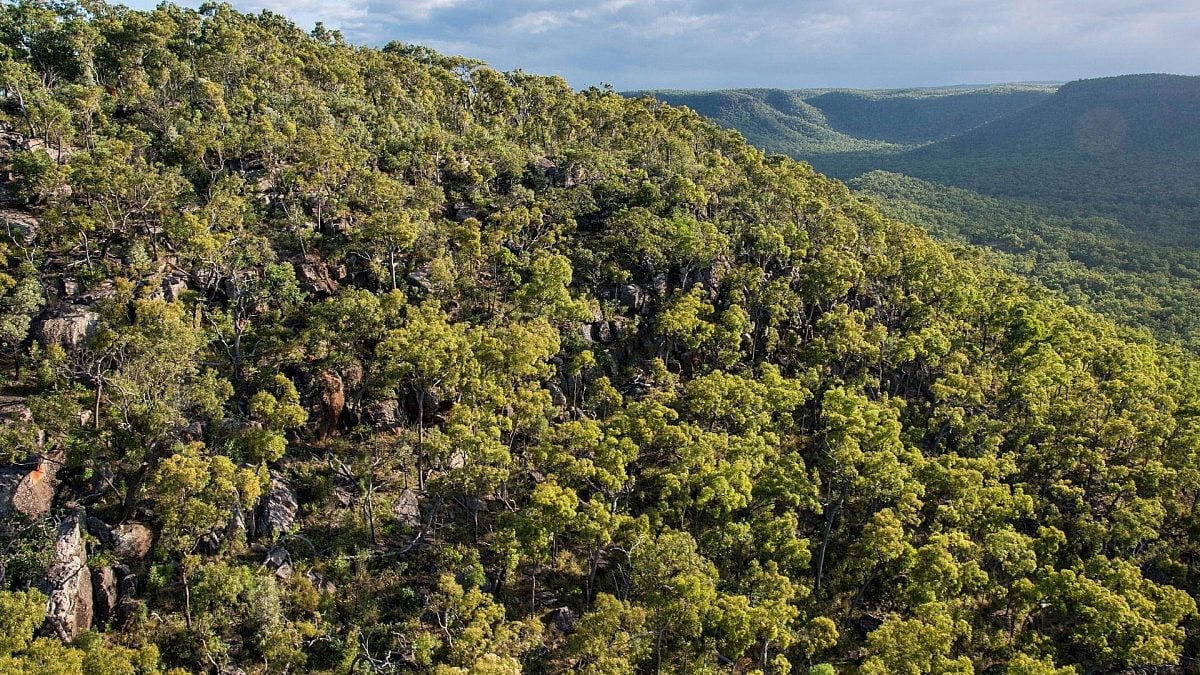
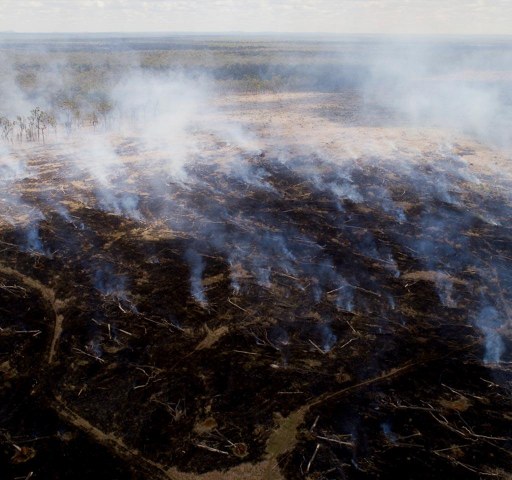
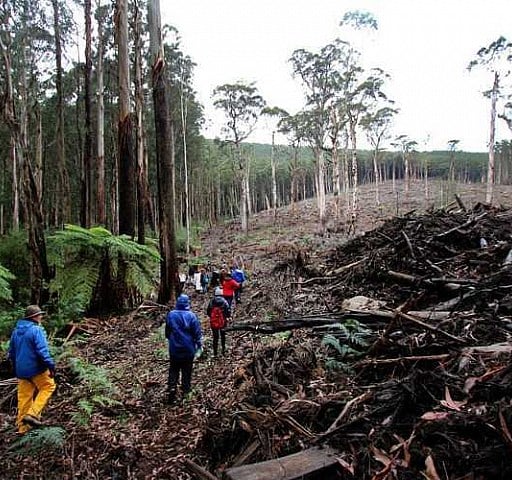
Protecting our native forests is one of the most cost effective and easiest ways to reduce our emissions. 25% of greenhouse gas emissions are caused by logging and degrading forests and bushland – so protecting forests makes climate sense. In Copenhagen, our team lobbied hard to build pressure for legislative recognition and accounting of the carbon pollution stored in unspoilt natural areas like Tasmania and Victoria’s carbon rich forests and the woodlands of Northern Australia.

The overall result is particularly disappointing because the Wilderness Society and the alliance we created and work closely with The Ecosystems Climate Alliance (ECA) did a magnificent  job on a core element of the fight against climate change – protecting and restoring the world’s forests. The good things achieved will have to be fought for again if there is no overarching agreement to implement them.

The most notable of these were ensuring that the threat of climate money contributing to the conversion of forests to palm oil or other plantations was averted. We appear to have succeeded. We have made significant headway on the threat that climate money might subsidise logging of forests that might not otherwise be logged. And we have made important gains on recognition that the best outcome for the climate would be to protect and restore intact natural forests.

The Forest Pledge

peg-putt-copenhagen-media-conf-dec-09-300.jpg
Copenhagen - The Wilderness Society's Climate Campaigner Peg Putt announcing that Sir Nicholas Stern had signed the Forest Pledge. Photo: The Wilderness Society Collection.

In all, 52 countries delegates have now signed our Forest Pledge - including France, Netherlands, Indonesia, Mexico and Brazil. By signing this pledge, countries and Non-Government Organisations have promised to support inclusion of text for protecting intact natural forest and restoring degraded natural forest as a core objective of a REDD mechanism. This includes protecting the rights and interests of indigenous peoples and forest communities in such forests. A REDD mechanism will only be effective at reducing emissions if helps indigenous peoples to protect their local forests and recognises that such forests have historically been cared for by them.
Our negotiation work with Reduce Emissions from

Deforestation and forest Degradation (REDD) achieved progress “ better than in the rest of the negotiations” said Climate Campaigner Peg Putt. At the end it became apparent that REDD would not be agreed at Copenhagen, but “REDD alone will not be sufficient to turn around dangerous climate change - we need the emissions savings from protecting and restoring natural forests to stand alongside deep cuts in industrial emissions.”

We made more headway on the protection and restoration of developing countries' forests than we did with our own and those in other developed countries, due to the double standards of developed nations like Australia. We hope the gains for tropical forests will not now be lost. Virginia Young, a veteran Wilderness Society climate campaigner, said “it seems the best we can hope for is a new mandate to continue work” started in Bali.  The REDD work needs to be agreed so that action to protect forests under this mechanism can begin.

The Wilderness Society team was also at the forefront of the negotiations around land sector issues affecting Australia, known as L.U.L.U.C.F. (Land Use, Land Use Change, and Forestry).

What is L.U.L.U.C.F?

L.U.L.U.C.F refers to the land sector, including forestry, for developed countries that have pledged to reduce their emissions under the Kyoto Protocol – including some of world’s major logging countries including Australia, our neighbour New Zealand, plus Finland, Canada, and Austria.

Currently the developed countries are not required to account for logging emissions and Australia does not do so. Neither do they agree to protect their native forests to reduce emissions.

It was proposed that after 2012 accounting for emissions from forestry become compulsory. When these countries introduced their plans for accounting forestry at the Copenhagen talks, our very own climate team spotted and reported on  “creative accounting” that would have hidden substantial logging emissions.

“We do know that the developed countries have made zero commitment to protecting their forests and wanted to hide emissions from logging by flawed accounting rules” said Putt.

We put the spotlight on these forest issues at every opportunity and achieved media coverage in the UK’s Guardian, the New York Times and via the ABC.

We helped de-rail this damaging set of rules being put forward by developed countries to hide logging emissions. For the time being there will be no new agreement on the Land Use and Land Use Change and Forestry sector (or LULUCF) which sets out the rules for developed countries. A lot of work will need to be done before we can guarantee that the rules applying to this sector could make a substantial reduction to greenhouse gas emissions.

Australia should also make a commitment to protecting and restoring its own native forests as a climate change measure, but is evading this action.

After this latest climate summit, Putt says the fate of the forests is still unclear.

There may still be a small ray of light to come regarding the world’s forests, but continued pressure on the Rudd led government and the Abbot led coalition is crucial at this time, and we need our members and supporters more than ever.

copenhagen-gemma-protect-forests-action-300.jpg
Youth representatives at the Copenhagen climate talks have held side events focused on the urgent need to protect the world's intact natural forests to ensure the survival of all peoples and countries. Image: The Wilderness Society collection.
In the corridors of Copenhagen…

Our youth delegate, Gemma Tillack, headed a vocal campaign to convince negotiators and ministers to make sure the next climate deal protect the world’s forests and the rights and interests of Indigenous peoples who live in the forests.

On the ground, Tillack was part of an impromptu climate choir and sung a '14-days to climate change’ song to negotiators as they have entered room to finalise the details of REDD. The youth delegates also joined forces with none other than Prince Charles’ rainforest project which has a global campaign to protect the world's rainforests.


Stay in touch

Thank you so much to the over 4,400 supporters who joined our Forest Pledge which we presented to Kevin Rudd to ask him to secure a safe climate for our future and our forests. Thank you also to the dedicated supporters who called and emailed the PM directly. You can view this action here, or read the comments on our Facebook page here. Certainly with all the coverage forests attracted at the Copenhagen summit, Australian PM Kevin Rudd, must bear witness to the fact that forests are indeed a vital part of the climate change solution mix.

Our sights are now firmly set on the next important global climate meetings likely to be in Mexico in mid-2010. We will continue to keep you up-to-date with climate happenings so stay informed by visiting our special Climate Change site. Thank you once again for your ongoing support and dedication.


Read more


For more information, please contact:

National Strategic Campaigns Coordinator

The Wilderness Society Inc

GPO Box 716, Hobart TAS 7001, Australia
Phone: (03) 6270 1701 | Fax: (03) 6231 6533 | Email: info@wilderness.org.au
Membership enquiries, donations: Freecall 1800 030 641 | Email: members@wilderness.org.au
ABN: 62 007 508 349

Document Actions
 
Log in