Updated: March 03, 2010
Print, Email, Bookmark and Share

James Price Point – A special part of the Kimberley coast threatened by fossil fuel (LNG) industry

Background

On 23 of December 2008, WA Premier Colin Barnett announced James Price Point as the Government’s preferred site for a massive industrial development to process fossil fuel (liquefied natural gas) from the Browse gas basin allowing multinational fossil fuel companies to transport Gas to overseas markets such as China.

James Price Point is just 50 kilometers north of Broome on the Dampier Peninsula (see map).

JPP Browse Map
Map showing the location of James Price Point in relation to Broome and the Browse basin

This announcement signified the demise of the established site selection process set in motion by the former WA government and run by the Northern Development Taskforce (NDT). This consultative process was not completed and with the Premier’s announcement the WA Government has officially stepped away from both the established process and the principles agreed to by stakeholders, including the right of ‘informed consent’ for Traditional Owners.

  • Read more regarding Mr Barnett’s announcement here.

Not a done deal

The proposed site will still need to undergo environmental assessment as required by the WA Environment Protection (EP) Act and Commonwealth Environment Protection and Biodiversity Conservation (EPBC) Act before any development can go ahead. Traditional Owners are undertaking their own assessments and are yet to sign an Indigenous Land Use Agreement which would allow the development to go ahead.  - this is not a done deal.

We do not consent to the development of a LNG prescient on our land. As native title claimants our views, opinions and desires regarding our land and culture have not been represented... We will not allow our land to be taken from us. We will fight for our land in court.

Extract from a declaration signed by over half (estimated) of the Indigenous Traditional Owners of James Price Point (proposed LNG industrial site):


The Browse joint venture (JV) lead by Woodside in partnership with Shell, Chevron, BP and BHP is the most likely to be the first to build if the site gets approval, JV partners have been unsure about the environmental and economic sense of developing a 'greenfields' site on the Kimberley coast and acknowledge there are other options - read more here. These companies have responded to a deadline on gas lease renewals set by federal mining minister Mr Ferguson. These companies have been forced to agree to an initial investment in the James Price Point location, though a final investment decision is still a long way off.

The Kimberley region does not currently have any comprehensive conservation or management plan in place. The Wilderness Society along with other environmental groups have made a clear and detailed case for such a plan to be developed and implemented - an 'alternative vision' for the Kimberley. The region faces a number of threats already that need to be addressed. The Federal government is assessing the region for natural heritage listing. The siting of a major industrial complex on the Kimberley coast would introduce more environmental threats, compromise the sustainable economic future of the region (e.g. tourism, well managed fisheries etc.) and may act as a trigger for more damaging developments to follow such as strip mining for bauxite or polluting fertilizer or ammonia plants such as those in the Pilbara.

Environmentally the Kimberley is the wrong place for this polluting industry.
The stunning red cliffs and pristine beach of James Price Point. Photo, Josh Coates

In this day and age we should not be repeating mistakes and destroying the environment for the profit of multi-national corporations and unsustainable fly in fly out jobs – we can protect the environment and create jobs. There are alternatives - We need investment in sustainable industries such as ecotourism and land management.

Environmentally the Kimberley coast is not the right place for this polluting industry - we cannot afford to jeopardise the future of the Kimberley's environment and communities.

Read our 10 reasons why the LNG development should not go on the Kimberley coast

whale-breaching-rocks-kimberley300.jpg
The Kimberley coast is a significant humpback whale breeding site. Photo: Annabelle Sandes

Location and natural environment

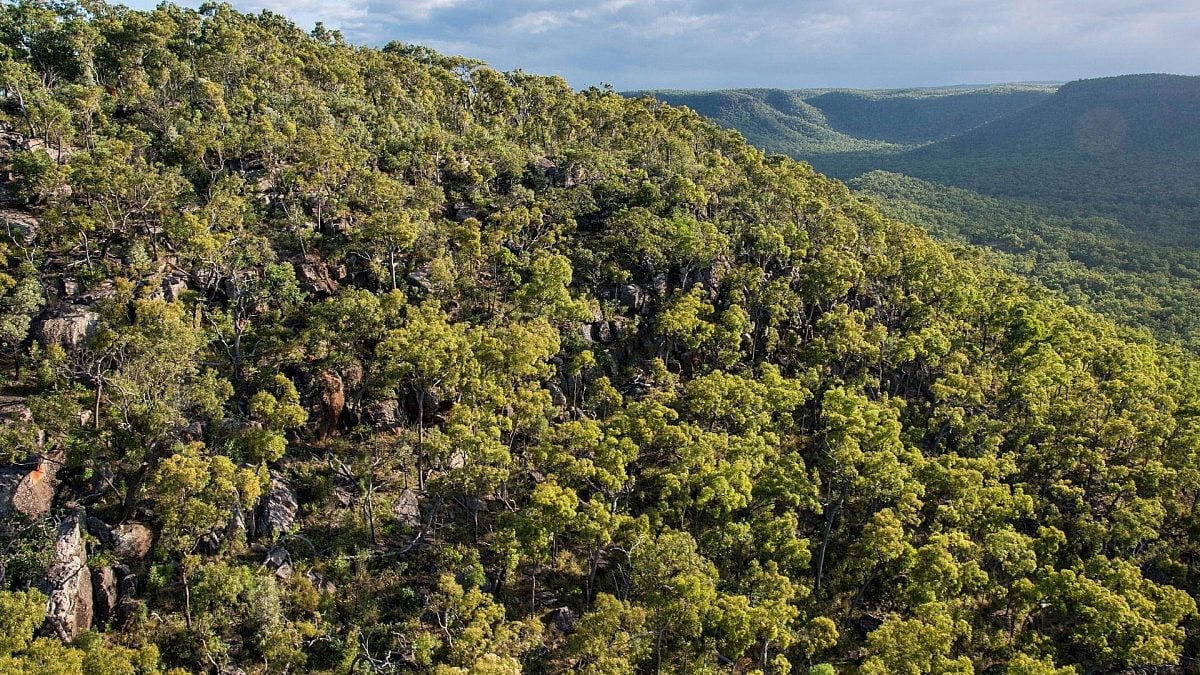
James Price Point is a beautiful place. Home to spectacular and sensitive habitats including rainforest (monsoonal vine thicket) patches, pindan scrub, corals, seagrass and sponge gardens.

Wildlife of the region

The marine environment offshore from James Price Point is recognised as a fish aggregation area, dugong feeding area and is a nursery, feeding and migratory pathway for humpback whales.
Significant areas of low relief reef with dense coral and algal cover occur inshore. Reef and algae are considered to be very important habitat for a range of species. Extensive filter-feeding communities (such as sea sponges and oysters) occur in deeper waters and are particularly species diverse and abundant. The endangered sawfish are likely to occur in the area and turtles are common. Dugongs have been reported in the area. The waters along this stretch of coast, from near the shore to about 20 kilometers out to sea, are part of an unusually high density migratory corridor for Humpback whales.

The terrestrial environment is home to sensitive and important ecological communities such as patches of monsoonal vine thicket (remnant rain forest). In many of the vine thickets surveyed elsewhere in the Kimberley species have been found that exist nowhere else. Local residents report the presence of a wide range of mammal species at James Price Point including Golden Bandicoot. The area is home to a number of reptile species and evidence is suggesting that it is crucial habitat for Australia's own marine turtle species, the flatback turtle. It is peninsulas like the Dampier that have the most potential to be kept free from the immanent cane toad invasion threatening the Kimberley.  The local environment group Environs Kimberley and local identity Malcom Douglas are independently considering undertaking biodiversity surveys in the region as it is clear that we need to understand more about this special area before even considering major industrial developments.

The Threats

The ' thin edge of the wedge'

The imposition of LNG processing on the Kimberley coast would be the beginning of big, polluting, environmentally damaging heavy industry in the Kimberley – opening the door for industries such as

The James Price Point region is home to diverse vegetation and wildlife including sensitive monsoonal vine thicket communities. Photo, Josh Coates

aluminium, lead and zinc smelters, petrochemicals, gas to liquids, mineral sands, bauxite and uranium

mines

Clearing

2400 hectares (24 square kilometres) of Pindan Woodlands and extremely rare Monsoon Vine thicket plant communities could be affected.

Dredging

Dredging is the process of digging a channel and turning basin to allow access for the LNG tankers and other boats. Dredging is a very ecologically damaging process that releases large loads of sediment. During construction blasting of reef with explosives and cutting would be required. The large tidal range (8.7m), longshore drift and wet season storms and cyclones will mean that the channel will quickly fill up and constant or regular dredging will be required to keep the channel open after initial dredging meaning that impacts will be ongoing for the life of the project.

The release of sediment into the marine environment causes impacts on light dependant organisms such as corals and sea grass by smothering the organisms and cutting off the light required for photosynthesis. Suspended sediments impact on filter feeding organisms such as oysters and sponges by clogging their feeding mechanisms, essentially starving the animals. Other organisms such as fish are impacted by the clogging of their gills. The impact on the navigation of animals like whales, turtles and dugong is unknown; however the impact of seismic pollution (e.g. blasting and ship noise) has been studied and has been implicated in changing migratory and other behavior and whale stranding events.

Breakwater

The Northern Development Taskforce final site evaluation report Dec 08 says breakwater construction will be required for the James Price Point site “at an estimated cost in excess of $A800 million”. The breakwater proposed for the area could be as large as 7km long. Such a large structure would:

  • Interrupt and change the local current flows with unpredictable impacts on the offshore and coastal environment including possible erosion of coastal cliffs.
  • Impact severely on the ecosystem during construction e.g. noise, sediment disturbance and release (sedimentation) and smothering/crushing of wildlife.
  • Have a huge impact where the material for the breakwater is quarried – such a massive structure will require a mind-boggling amount of rock, this rock will have to come from somewhere.

Indigenous culture

There are numerous registered Aboriginal heritage sites in the vicinity of James Price Point (Walmadan) including burial and mythological sites. The area is part of the Indigenous song-cycle, a continuous dreaming track that incorporates the Lurujarri heritage trail running from Cape Leveque to south of Broome. A recently organised concert drew attention to the Indigenous cultural values of the region. The area is extensively accessed by the Traditional Owners. The area is used by Indigenous people to harvest Gubinge and other bush tucker, the Gubinge harvest is a sustainable industry participated in by Indigenous people.

Tourism and fishing

The area is a popular tourism and recreational fishing destination utilised by locals and tourists. The area is the main area fished during the annual Sailfish tournament. The area offshore from James Price Point is an acknowledged fish aggregation area and is likely to be important or critical to the breeding of a number of commercial and recreational important fish species. A large facility such as the one proposed will spoil the visual amenity of the Kimberley coast and impact negatively on tourism to the region, including numerous sustainable Indigenous tourism ventures on the peninsula.

Water use

A large development such as the one proposed will require a large amount of water. This will come from groundwater or via desalination. The use of groundwater is likely to have negative impacts on the waterholes and vegetation of the region. Desalination is an energy (greenhouse) intensive process that also releases highly saline water and chemicals into the marine environment.

Geological features

The shoreline faces west and there is no natural protection from the prevailing south westerly winds and waves meaning a port would require a breakwater. Pindan (the local soil type) cliffs are approximately 6 meters high and form the boundary of the shoreline. Potential hazards from the geology of the region include collapsible pindan soils, erodable cliffs in pindan soil and the deep pindan soil profile.

Greenhouse gas emmissions

This development would cause massive greenhouse gas emissions rendering the achievement of WA and Australia greenhouse gas reduction targets virtually impossible. Conservative estimates of just the initial project indicate that 15 million tonnes of greenhouse gases would be emitted every year – equivalent to 3 million cars (20% of WA’s total).

Shipping and Environmental disasters

West atlas oil rig on fire
The recent West Atlas oil spill in the Kimberley was Australia’s worst rig-based oil spill and possibly our worst oil spill ever.

Along with this proposed development would come the construction of huge oil and gas rigs and undersea pipelines and a massive increase in shipping. As we saw recently with the Montara oil spill in the Timor sea offshore from the Kimberley coast accidents can and do happen. The Kimberley coast is just to ecologically significant, too special to be put at unnecessary risk.

Other threats

Other threats include the transport of marine and terrestrial pest/weed species, impacts of the fishing and tourism industries, seabed damage, damage to Scott Reef and other offshore reefs, social impact, health impacts from pollution and the list goes on.

Compulsory acquisition

Prior to negotiations with Traditional Owners the Premier announced that he is prepared to seize the land required for this development from Traditional Owners by compulsory acquisition if required. This has been described by Australians for Native Title and Reconciliation as setting back the reconciliation and Indigenous Rights movement by 30 years.
Late March 2009 was announced as the deadline for a negotiated agreement with Traditional Owners at which point, if no agreement is made, the compulsory acquisition process would be initiated. This has been likened by the Kimberley Land Council to “negotiating with a gun to your head”. The Federal Government appointed a facilitator, Mr Bill Gray, to attempt to broker an agreement before this deadline. Critics of the process suggest that in the face of such a threat negotiations over a deal were both rushed and compromised the principles of free prior and informed consent.
Despite the triumphalist tone of the Premier’s announcement on 15 April of an 'in principle' deal between the State and Federal Governments and Kimberley Land Council regarding the proposed LNG industrial site at James Price Point north of Broome there is not final agreement from Traditional Owners for the region, this is not a done deal.

For many reasons, as outlined above and here, James Price Point is not a suitable location for large scale fossil fuel industrial development. Indeed the environmental and other economic values of the entire Kimberley coast are so high that this kind of development is completely inappropriate and unacceptable.

What you can do to help protect James Price Point from LNG development:

1. Learn more, keep up to date with any actions and events and check out some great footage of Missy Higgins talking and singing about the Kimberley and footage of whales frolicking near the proposed industrial site at www.wilderness.org.au/Kimberley

2. Sign the online petition: Hands up for the Kimberley

3. Read about Woodside's involvement

4. Support our campaign - volunteer to help by contacting the Kimberley Campaigner and donate to The Wilderness Society today.

5. Please contact WA Premier Colin Barnett and Federal Environment Minister Peter Garrett and ask that they ensure no industrialisation occurs on the Kimberley coast - and that appropriate funding is directed as a matter of urgency to secure the future of the Kimberley’s outstanding natural and Indigenous cultural values.

The Hon Colin Barnett MLA
Email: wa-government@dpc.wa.gov.au
Mail: Premier Colin Barnett, 197 St George's Terrace, Perth WA 6000
Phone: (08) 9222 9888 - Premier's Office
Fax: (08) 9322 1213

The Hon Peter Garrett AM MP
Email: Peter.Garrett.MP@aph.gov.au
Mail: Parliament House, Canberra, ACT 2600
Phone: (02) 6277 7640
Fax: (02) 6273 6101

What the reports say:

The Environmental Protection Agency site selection report published in September 08 states the following facts regarding the James Price Point area:

  • The area is a popular tourism and recreational fishing destination
  • The shoreline faces west and there is no natural protection from the prevailing south westerly winds and waves
  • Pindan cliffs are approximately 6 meters high and form the boundary of the shoreline.
  • The site is exposed to the south west summer swells and will require a significant breakwater
  • The site is approximately 460 kilometers from the Ichthys field and 410 kilometers from Woodside’s Browse fields
  • Significant areas of low relief reef with dense algal cover occur inshore
  • Extensive filter-feeding communities occur in deeper waters and are particularly species diverse and abundant
  • Sawfish are likely to occur in the area and turtles are common
  • Dugongs have been reported in the area
  • The waters along this stretch of coast, from near the shore to about 20  out to sea, are part of an unusually high density migratory corridor for Humpback whales
  • The overall sensitivity of the marine environment at this site is considered to be moderate to high.
  • “James Price Point is utilized by commercial fishers and is a popular recreational fishing area. It is recognised as a fish aggregation area, dugong feeding area and is part of a migratory pathway for whales.”
  • The coastal form indicates this area experiences significant longshore sediment transport which would need to be considered in the design of coastal structures
  • There are pearling leases in the vicinity
  • James Price Point is a popular recreational area and extensively accessed by the Traditional Owners
  • Tourism impacts are anticipated on Broome as a result of its close proximity to this site, including impact on air services, short stay accommodation, potential loss of tourism product and increased pressure on the available workforce
  • Cape Leveque to south of Broome is a continuous dreaming track that incorporates the Lurujarri heritage trail and James Price Point.
  • There are numerous registered Aboriginal heritage sites in the vicinity of James Price Point (Walmadan) including burial and mythological sites.


The Browse Onshore LNG Precinct Siting Study Site Visit Report undertaken by Worley Parsons and published 20-Nov-08 reports the following facts about the James Price Point region:

  • Geology - Pindan soil over siltstone & sandstone. Shoreline sandstone platform grading to submerged terraces with marine sediment cover.
  • Potential Geohazards - Collapsible pindan; Erodible cliffs in pindan soil. Deep pindan soil profile.
  • Tidal range 8.7m.
  • Dredging requirements for a development in this region are generally high (‘medium’ for the southernmost site examined).
  • Drill and blast operations would be required to dredge.
  • Jetty length required 2.5 – 4km.
  • A breakwater would be necessary.

For more information, please contact:

Kimberley Campaigner

The Wilderness Society WA Inc

City West Lotteries House
2 Delhi St
West Perth, WA, 6005
Phone: 08 9420 7255

Document Actions
wilderness-society-hands-up-for-the-kimberley-logos.jpg
portlet-kimberley-fund-this-ad.jpg
kimberley-60-minutes-battle-for-the-kimberley.jpg
* button Humpback whale mother and calf
*
Video recorded near North Head, Dampier Peninsula, The Kimberley, Western Australia.  Watch the video »
* *
* button West Atlas oil spill
*
Aug 2009, Australian Greens Senator Rachel Siewert visits site of West Atlas oil platform spill.  Watch the video »
* *