|
Updated: December 01, 2011
|
|
|
|
New threats to the Tarkine
- The Rapid River flowing through the Tarkine. Photograph: Geoff Law
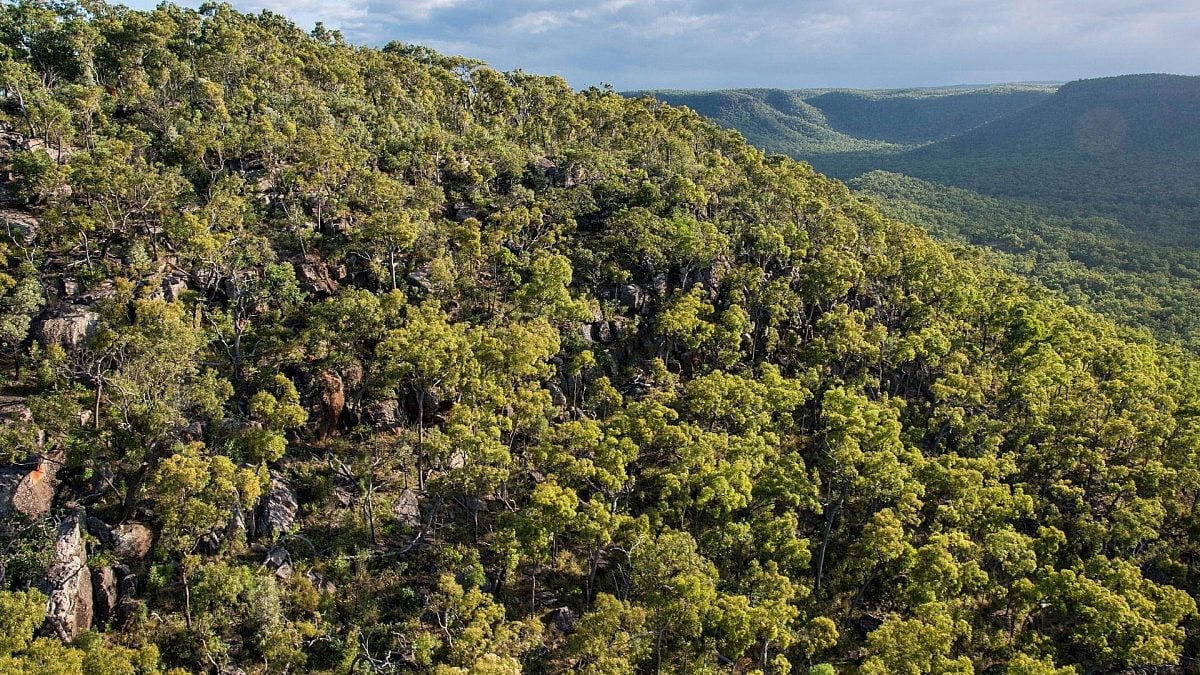
We all know the Tarkine is an environmental jewel - but when mining companies look at this special place, they see the glint of valuable metals instead. Gold, iron, tin, zinc, lead, copper - you name it and chances are it can be found in the mineral-rich bedrock beneath the Tarkine.
With Australia in the grip of an extraction bonanza, and Chinese demand for base metals at an all time high, the pressure to open up the Tarkine to mining is building.
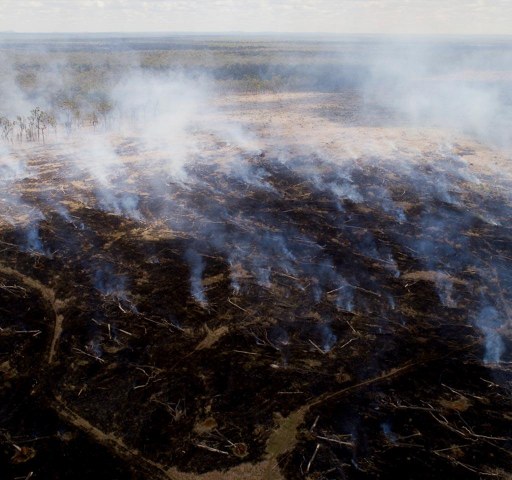
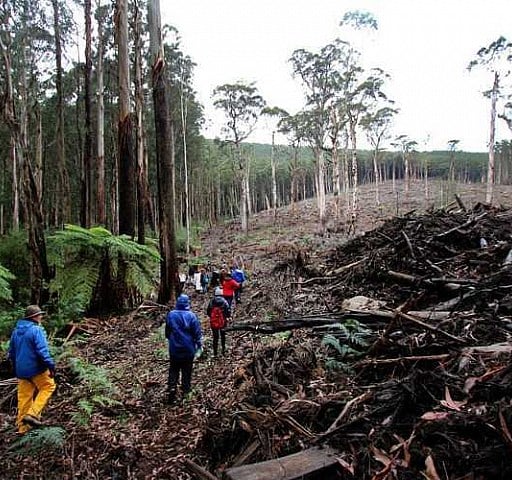
So far, 12 mines have been proposed for the Tarkine over the next two years, along with 56 licences for mineral exploration in the area. If even a fraction of these mines go ahead, this wild land of rugged coastline, pristine rivers and forested hills could be compromised - criss-crossed with exploration tracks and roads and dotted with waste dumps, pits and trenches.
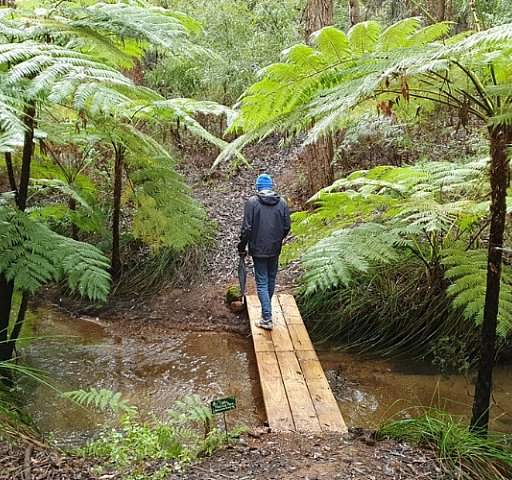
The Tarkine is of huge environmental significance. It is one of the largest remaining tracts of temperate rainforest on earth, and home to a huge variety of species including Tasmanian devils, Tasmanian wedge- tailed eagles, spotted-tailed quolls, southern bell frogs, white goshawks, giant freshwater lobsters, eastern barred bandicoots, orange-bellied parrots and the Huon pine.
Environmental jewel
The Tarkine’s wild, rugged coastline - there’s no land between this point and the South American coast - boasts some of the cleanest air in the world.
Because of these values, the Tarkine has long been the subject of a community-driven National Park proposal. In addition, in 2010, a report by the Australian Heritage Commission recommended that 430,000 hectares of the Tarkine be granted National Heritage status.
But Environment Minister Tony Burke has refused to implement this recommendation, claiming a need for further assessment and consultation. For decades, environmentalists have been working to protect the Tarkine. Some campaigns have been lost - like the road to nowhere in the mid 1990s - others have been won.
Now, with the Tasmanian Forest Agreement progressing, it looks like the area may at last be protected from logging. But mining remains as a threat in this pristine region.
It’s not hard to predict what will happen over the coming months: mining companies will pressure the Tasmanian Government to allow these mines to go ahead, dressing their arguments up in the usual disguise by claiming that mining is essential for jobs.
But putting industry ahead of the environment is an approach that has failed for decades and a new approach is needed. The Wilderness Society is involved with a coalition of groups calling for the creation of a Tarkine National Park.
With your support, the Wilderness Society will be standing up for an Australia that values the Tarkine not for the metals that can be extracted by destroying it, but for the precious environmental qualities that it has when left intact.
Take Action
Please email Minister Burke in your own words to help save the Tarkine
Right now, mining companies like Venture Minerals are desperate to exploit the minerals beneath the Tarkine. This will mean logging, pollution, roads, and huge scars criss-crossing the landscape.
But National Heritage listing can save the Tarkine - if Environment Minister Burke chooses to list it.
Mr Burke must put the Tarkine on the Heritage List before December 2, or he can ignore its world class heritage values when assessing Venture Minerals’ proposal.
That means Venture Minerals’ huge mine could go ahead without the government being able to consider its impact on plants and animals, indigenous heritage or landscapes.
Your words can help the Tarkine. If you take the time to write a message in your own words, with your own passion, you can make it clear to Minister Burke how much the wild Tarkine is valued by voters.
Please write to Tony Burke and tell him you’re watching what he’s doing on the Tarkine. http://www.tonyburke.com.au/get-in-touch/
For more information, please contact:
The Wilderness Society Tasmania Inc
130 Davey Street, TAS, 7000 Australia
Phone: (03) 6224 1550 | Fax: (03) 6223 5112