You are here: Home Campaigns Gunns' Pulp Mill Tasmania’s future threatened – pulp mill impacts
Email to friend Print this page
Updated: May 30, 2010
Campaigns:
Gunns' Pulp Mill

Gunns' pulp mill impacts – Environment, heritage, economy and community threatened

The Wilderness Society Archive - This page is over one year old. Links and content may no longer be accurate.

kelso-300.jpg
Tasmanian family by the Tamar River, near Launceston. Photo: John McCausland

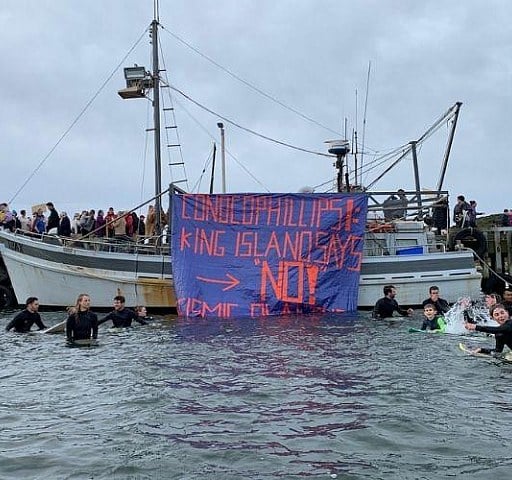
Gunns plans to build a chlorine dioxide bleaching pulp mill in Tasmania’s scenic Tamar Valley. This could pollute the air of the local community and pump billions of litres of toxic pollution into Bass Strait each year. The economic impacts of the mill will be dire, threatening the existence of businesses across Tasmania - especially in the Tamar Valley.

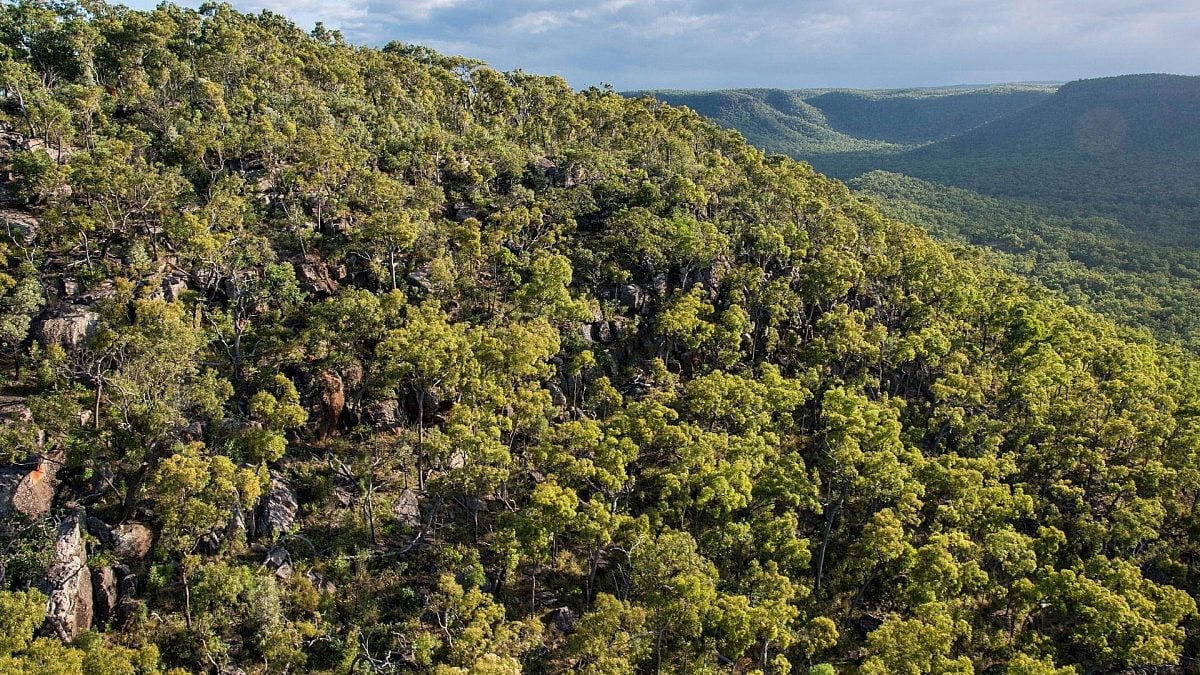
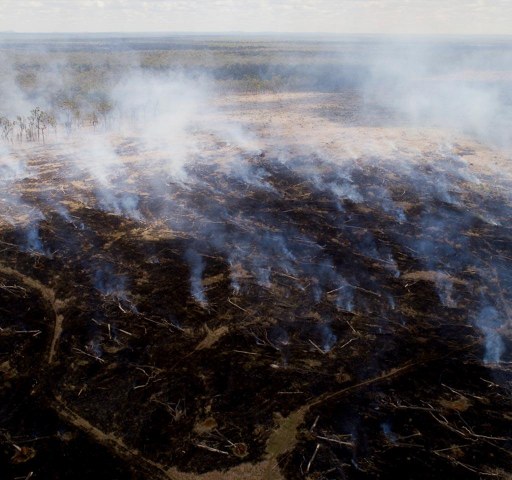
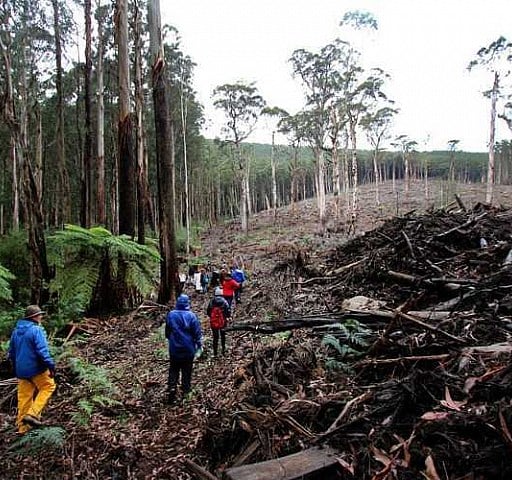
Our forests

On the 10th of March 2011 the Federal Environment Minister Tony Burke established new conditions for the approval of Gunns’ pulp mill. It is now a legal requirement for the pulp mill to only use plantation timber.

This is a welcome development considering the original proposal was heavily based on native forests. Legally locking in a 100 percent plantation supply is a good outcome from a long campaign on this issue.

Our marine life and fisheries

Each day Gunns proposes to dump 64,000 tonnes of toxic pollution into Bass Strait.5 This effluent will contain dioxins and furans—some of the deadliest substances known to science. These build up over time in the food chain, contaminating fish, shellfish, seals and other marine life. This could damage Bass Strait's fishing industry, which relies on clean water and a clean reputation.

Gunns’ recently changed the pulp mill proposal from ECF to ECF-lite, meaning it will use 40 percent less chlorine dioxide. We are still scrutinising the detailed technical reports that were released by Gunns to determine the impacts on the marine environment.

However, we remain deeply concerned that this project will harm the marine environment. We will provide a further update on this component of the proposal when available.

Aboriginal culture and heritage

The Tasmanian Aboriginal Land and Sea Council (TALSC) and the Tasmanian Aboriginal Center (TAC) officially oppose the proposed pulp mill because of its impacts on Aboriginal culture and heritage. These impacts to important heritage sites will occur at the both the proposed pulp-mill site on the Tamar River and in the forests that will be logged to feed the mill.

wedge-tailed-eagle-ted-mead.jpg
Wedge-tailed Eagle. Photo: Ted Mead

The Tasmanian Aboriginal community also opposes the mill because of the impacts of the mill's effluent on the marine environment around the Bass Strait islands officially recognised as Aboriginal land.

Our wildlife

Scientists have warned that planned logging in Tasmania’s north-east threatens unique wildlife with local extinction.6 These include the Tasmanian wedge-tailed eagle, the spotted-tail quoll and the giant freshwater crayfish.

For more information see WildCountry Tasmania

Our water

The pulp mill will consume 26 to 40 billion litres of fresh water each year.1 This is almost as much as the combined use of all water users in Northern Tasmania.7 Research shows that plantations can reduce stream flow by over 50 percent.8 Meanwhile, north-east Tasmania can expect a forecast reduction in rainfall of 8 percent over 30 years due to climate change.9 This means that public water supply will be put under enormous pressure by Gunns’ pulp mill.

The air of the Tamar Valley

fr tas smokestack poosting 300.jpg

The pulp mill will stink. 'Fugitive emissions' of odour from hundreds of sources within the mill’s complex will drift to homes, businesses, farms and wineries in the vicinity of the mill.10 The Australian Medical Association (Tasmanian branch) says the pulp mill 'could cause an increase in the already existing morbidity and mortality from atmospheric pollutants'.11 The pollution from the mill will also threaten the viability of local vineyards, farms and tourism.

Our economy

Independent economists have warned that the pulp mill could cost Tasmania’s economy up to $3.3 billion.13 An economic report, commissioned by the Tasmanian Roundtable for Sustainable Industries (TRSI), found that the pulp mill will cost some 1,220 jobs - with 1,044 jobs lost from the tourism industry and at least 175 jobs from local fishing businesses. On the flip side, a government-sponsored study, carried out by ITS Global consultants, found 280 jobs would be created at the mill - a deficit of 940 on the status quo.

For more information see Pulp mill financially unviable

References:

  1. Gunns Ltd, Bell Bay Pulp Mill, Draft Integrated Impact Statement
  2. http://www.forestrytas.com.au/forest-management/wood-supply-agreements    
  3. Assessment of the Gunns Limited Bell Bay Pulp Mill against the Environmental Emission Limit Guidelines, Sweco Pic, June 2007; Miotti Consulting Peer Review of Sweco Pic Report
  4. Dr Stuart Godfrey http://www.cleantamar.com.au/pulp_mill_press_release.html
  5. Gunns’ referral under the EPBC Act, April 2007
  6. University of Melbourne and Forestry Tasmania 2003; Bekessy transcripts, Wielangta court case 2006
  7. Annual Reports, Esk Water and Cradle Coast Water
  8. Trading water for carbon with biological carbon sequestration, Jackson et al. 23 December 2005 Vol 310 Science.
  9. Tasmanian Government Draft Climate Change Strategy 2006
  10. Dr Warwick Raverty
  11. Australian Medical Association Tasmania, position statements, http://www.amatas.com.au/issues/
  12. Trees—the Forgotten Solution to Climate Change, The Wilderness Society 2006
  13. Business Round Table for Economic Sustainability, www.lec.org.au


For more information, please contact:

Pulp Mill Campaigner

The Wilderness Society Tasmania Inc

130 Davey Street, TAS, 7000 Australia
Phone: (03) 6224 1550 | Fax: (03) 6223 5112

Document Actions
 
Log in